

MUSIC-DANCE
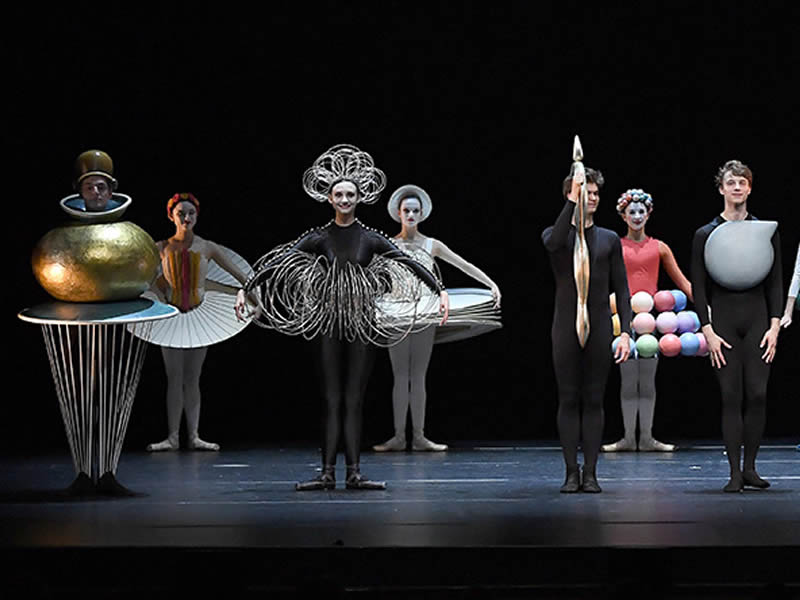
Music and dance are two interconnected forms of artistic expression that have been integral to human culture for centuries. They can be experienced separately, but often they go hand in hand, with music providing the rhythm and melody for dance movements. Here’s an overview of both music and dance:
Music:
- Definition: Music is the art of arranging sounds in a structured and harmonious way to create emotional or aesthetic experiences. It involves elements such as melody, harmony, rhythm, and dynamics.
- Instruments: Music can be created using various instruments, including string instruments (like guitars and violins), wind instruments (such as flutes and trumpets), percussion instruments (like drums and xylophones), and electronic instruments (synthesizers and keyboards).
- Genres: Music encompasses a wide range of genres, including classical, jazz, rock, pop, hip-hop, electronic, folk, and many others. Each genre has its unique characteristics and cultural significance.
- Role: Music plays a significant role in human life, serving various purposes like entertainment, emotional expression, cultural preservation, and communication.
- Notation: Music can be notated using sheet music, which allows musicians to read and perform compositions accurately.
Dance:
- Definition: Dance is a form of artistic expression involving structured and intentional bodily movements that are often performed to music. Dance can convey emotions, stories, and cultural traditions.
- Styles: There are numerous dance styles around the world, each with its own techniques, aesthetics, and cultural context. Examples include ballet, hip-hop, salsa, contemporary, tango, and traditional folk dances.
- Choreography: Dance often involves choreography, where movements are carefully planned and arranged to create a visually pleasing and meaningful performance.
- Expression: Dancers use their bodies to express a wide range of emotions, ideas, and narratives. It can be a means of personal expression or a collective cultural celebration.
- Performance: Dance can be performed on various stages, from formal theaters to informal settings like clubs and public spaces. It can be enjoyed both as a spectator and as a participant through social dancing.
The relationship between music and dance is profound. Music sets the tempo and mood for dance, and dance movements are often synchronized with the music’s rhythm. Together, they create a dynamic and captivating experience. Many cultures have their unique dance traditions tied to specific types of music, and these traditions can be a way to preserve and showcase cultural heritage.
Both music and dance are forms of art that bring joy, meaning, and cultural richness to our lives, and they continue to evolve and inspire people around the world.